Overview
Outdoor fountains enhance gardens and patios, serving as serene focal points. This article discusses various materials used in outdoor fountains—such as concrete, natural stone, ceramic, metal, GFRC, and solar options—highlighting their advantages to help you choose the right one for your style, climate, and maintenance preferences. Additionally, it suggests ways to accentuate fountains with lighting, plants, and water features for a more inviting outdoor space.
Outdoor fountains are delightful additions to gardens, patios, and backyards. They not only enhance the landscape but also serve as serene focal points, inviting relaxation and tranquility. When selecting an outdoor fountain, understanding the materials used plays a significant role in determining quality, longevity, and overall aesthetic appeal. This article will explore the variety of materials commonly used in outdoor fountains, including their advantages and how they complement different styles of gardens and landscapes.
Understanding the Common Materials Used in Outdoor Fountains
There are several materials that dominate the outdoor fountain market today. Each material has distinct qualities that suit different environments, styles, and personal preferences. Let’s take a closer look at some of the most common materials used in garden fountains.
Concrete
Concrete fountains, especially tall concrete fountains, are among the most popular choices for their durability and design flexibility. This material can be molded into various shapes and sizes, making it an ideal option for achieving unique architectural styles.
Advantages of Concrete Fountains
-
Durability: Concrete can withstand harsh weather conditions, making it an excellent choice for year-round use.
-
Low Maintenance: Unlike wood, which may rot or need treatment, concrete only requires regular cleaning.
-
Versatility: With a variety of textures and finishes available, concrete can be customized to fit traditional or modern aesthetics.
Natural Stone
Stone fountains bring a touch of nature to your outdoor space. Natural stone, such as granite, limestone, or marble, has a timeless appeal that fits seamlessly into landscaped gardens.
Advantages of Stone Fountains
-
Authenticity: Each stone fountain is unique, providing a one-of-a-kind focal point for your garden.
-
Natural Insulation: Stone helps maintain water temperature, creating a cooler environment for fish and plants if used in a water feature.
-
Long-lasting: Just like concrete, stone is incredibly durable and can resist wear and tear over time.
Ceramic
Ceramic bird baths and fountains are excellent options for those looking to add artistic flair to their landscaping. The glazed finish available in a myriad of colors and patterns enhances any outdoor space.
Advantages of Ceramic Fountains
-
Aesthetic Variety: Ceramics can feature vibrant colors, intricate designs, and craftsmanship.
-
Lightweight: Compared to stone or concrete, ceramic fountains are easier to move and install.
-
Eco-Friendly: Many ceramic options are made from natural materials and are completely recyclable.
Metal
Metal outdoor fountains, such as those made from copper or stainless steel, provide a modern touch to landscaping. They create a beautiful contrast with natural elements in a garden setting.
Advantages of Metal Fountains
-
Contemporary Appeal: Metal fountains blend well with modern yard designs, offering sleek lines and reflections.
-
Corrosion Resistance: Some metals, such as stainless steel, offer excellent resistance to corrosion and rust, ensuring longevity.
-
Sound Quality: Metal can create a distinct sound when water flows, providing an auditory experience in addition to the visual.
Glass Fiber Reinforced Concrete (GFRC)
GFRC is a composite material that combines cement, fine aggregates, and glass fibers to create strong yet lightweight structures. This innovation in fountain design offers added strength without the bulk of traditional concrete.
Advantages of GFRC Fountains
-
Lightweight: GFRC can be easier to handle and install compared to solid concrete options.
-
Design Flexibility: GFRC can be molded into intricate designs while maintaining durability.
-
Weather Resistant: This material can endure extreme weather, making it suitable for all climates.
Solar-Powered Water Features
The rise of sustainability has ushered in the popularity of solar water features, including the solar bird bath fountain. These eco-friendly options tap into renewable energy, saving costs while reaping numerous benefits.
Advantages of Solar Water Features
-
Cost-Effective: By utilizing solar power, these fountains reduce electricity bills associated with pump operation.
-
Eco-Friendly: Solar-powered water features have a lower carbon footprint, promoting sustainability in landscaping.
-
Easy Installation: Most solar fountains do not require complex wiring or hard-to-install components.
Choosing the Right Material for Your Outdoor Fountain
When selecting the material for your garden fountain, consider the style of your yard, the climate in your area, and your personal maintenance preferences. Here are some factors to contemplate:
-
Style: Consider if your outdoor space features a modern, traditional, or eclectic aesthetic. Match your fountain to that design.
-
Climate: Harsh climates may require more durable materials, such as stone or metal, as compared to ceramic, which may crack in very low temperatures.
-
Maintenance: Some materials, such as concrete or stone, require more upkeep than ceramics or metals, so select according to your willingness to maintain them.
Enhancing Your Outdoor Space with Garden Fountain Accents
The addition of a fountain in a garden goes beyond the fountain alone. Thoughtfully placed accessories can enhance the beauty of your garden and draw attention to your outdoor features.
Garden Lighting
Incorporating lighting around your outdoor fountains can create dramatic effects at night. LED lights can highlight the structure and create a soothing atmosphere with the reflection of the flowing water.
Surrounding Plants
Adding greenery around your outdoor fountains can provide depth and contrast to the fountain’s appearance. Consider plants that attract birds and pollinators to complement your bird bath or bird bath fountain.
Water Plants
Including aquatic plants in your water feature can enhance the natural beauty of solar water fountains. Floating plants not only provide shade but also contribute to the overall balance of your water ecosystem.
The Final Touch to Your Dream Outdoor Space
Outdoor fountains serve as mesmerizing focal points that enhance the aesthetic of your exterior space. By selecting the right materials, from tall concrete fountains to ceramic bird baths, you can create a style that resonates with your personal tastes. Understanding the advantages of each type allows you to make informed decisions that prioritize both beauty and durability. So, whether you're curating a peaceful retreat or hosting lively gatherings, adding a garden water feature elevates your outdoor experience. Dive into a world of tranquility and charm with the perfect outdoor fountain that mirrors your unique spirit!
Linked Product
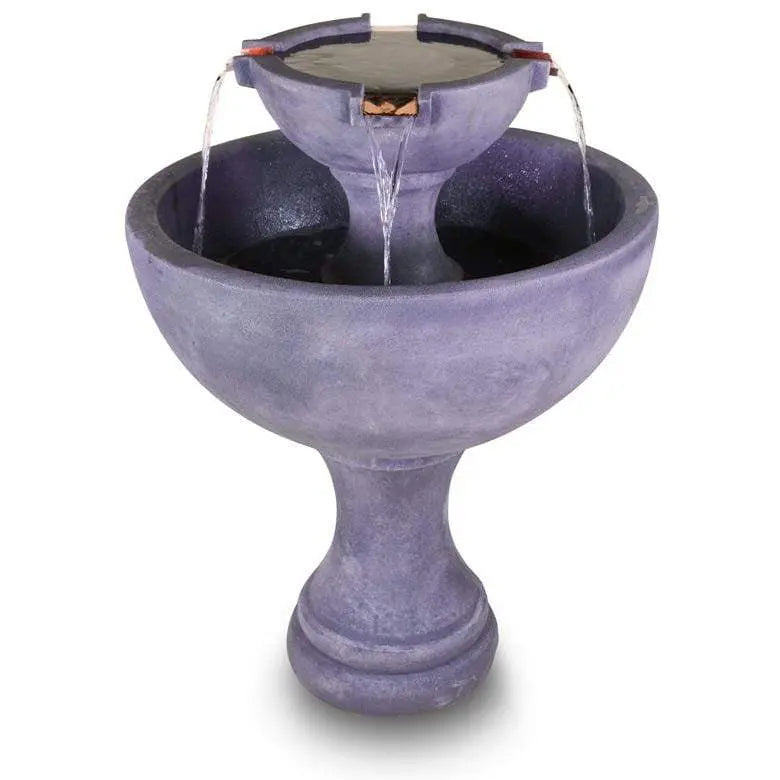
Giannini Garden Newport Greystone Tall Concrete Outdoor Fountain 1751
The Giannini Garden Newport Greystone Tall Concrete Outdoor Fountain 1751is crafted from durable concrete, making it suitable for various outdoor environments. Its elegant design adds a touch of sophistication to gardens or patios while providing a soothing water feature that can enhance relaxation. This fountain is made in the USA by a family-owned business, ensuring quality craftsmanship.
View Product


Leave a comment